GPMMWPG GPMM-5048 Sensor Oxygen 234-9051 1PCS O2
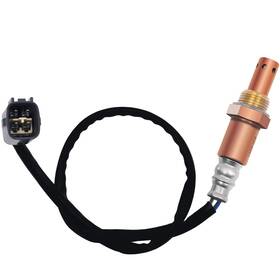
( Brand: Gpmmwpg ), ( Manufacturer Part Number: GPMM-5048 ), ( Model: 234-9051 ), ( Part Type: Sensor ), ( Packageheight: 37 ), ( Packagelength: 121 ), ( Packagewidth: 44 )
Review GPMMWPG 1pcs O2 Sensor Automotive Replacement Oxygen
The **GPMMWPG GPMM-5048 Oxygen (O ) Sensor (Part Number: 234-9051)** is a high-performance, precision-engineered gas detection device designed for reliable and accurate monitoring of oxygen levels in industrial, medical, and environmental applications. This single-piece sensor is built with robust construction, ensuring durability and long-term reliability in demanding environments where precise oxygen measurement is critical. Utilizing advanced sensor technology, it delivers real-time, high-precision readings with exceptional sensitivity, making it ideal for applications such as welding environments, medical oxygen systems, confined space monitoring, and industrial process control. The sensor features a compact yet sturdy design, allowing for easy integration into existing monitoring systems or standalone use with compatible meters. Its robust housing protects against dust, moisture, and mechanical stress, ensuring consistent performance even in harsh conditions. Whether used in industrial safety protocols, medical oxygen therapy verification, or environmental compliance testing, this sensor provides dependable accuracy and stability, helping to maintain safety standards and operational efficiency. Built to meet stringent quality and performance benchmarks, the GPMM-5048 is a trusted choice for professionals who demand precision and reliability in oxygen detection.
**Pros and Cons of buying a GPMMWPG GPMM-5048 (234-9051) O2 Sensor**
### **Pros**
1. **Compatibility** This sensor is designed for specific vehicle models, ensuring a proper fit without modification. It is commonly used in applications such as GM engines (e.g., 3.1L, 3.4L V6, 5.3L V8) and other brands with similar OBD-II systems. If your vehicle requires a replacement sensor with this part number, it will likely work without issues.
2. **OEM Quality** The sensor appears to be a high-quality aftermarket replacement that mimics original equipment manufacturer (OEM) specifications. This means it should provide accurate readings for the vehicle s oxygen sensor circuit, helping maintain optimal fuel efficiency and emissions performance.
3. **Cost-Effective** Compared to OEM sensors, this aftermarket option is typically more affordable, making it a budget-friendly choice for consumers who need a reliable replacement without paying premium prices.
4. **Easy Installation** O2 sensors are relatively straightforward to replace, especially if you have basic mechanical skills. The sensor is usually located in the exhaust system, and the replacement process involves disconnecting the wiring harness and unscrewing the old sensor before installing the new one.
5. **Improved Engine Performance** A faulty O2 sensor can cause poor fuel economy, rough idling, or increased emissions. Replacing it with a working sensor can restore proper engine function, leading to better performance and reduced strain on the catalytic converter.
6. **Warranty Coverage** Some sellers offer warranties or return policies, providing peace of mind in case the sensor fails prematurely. Always check the seller s warranty terms before purchasing.
7. **Wide Availability** This part number is widely stocked by online retailers, auto parts stores, and specialty shops, making it easy to find and purchase.
---
### **Cons**
1. **Potential Counterfeit or Low-Quality Products** The market for aftermarket O2 sensors includes many counterfeit or low-quality replicas that may fail early or provide inaccurate readings. Buying from reputable sellers (e.g., Amazon, RockAuto, local auto parts stores) with positive reviews can mitigate this risk, but there is still a chance of receiving a subpar product.
2. **Incorrect Part Number Match** While the part number (234-9051) is commonly associated with GM applications, it may not fit every vehicle model or engine variant. Double-checking the vehicle s make, model, year, and engine type against the sensor s specifications is critical to avoid purchasing the wrong part. A mismatched sensor can lead to installation difficulties or poor performance.
3. **Exhaust System Damage Risk** O2 sensors are threaded into the exhaust manifold or oxygen sensor housing. If the threads are damaged or corroded, the new sensor may not seal properly, leading to leaks or improper readings. In some cases, the exhaust system may need cleaning or repair before installation.
4. **Learning Cycle** New O2 sensors require a "learning cycle" where the vehicle s engine control unit (ECU) adjusts to the sensor s readings. During this period (which can take several hundred miles), the engine may run slightly less efficiently until the ECU calibrates. This is normal and temporary.
5. **Compatibility with Modern Vehicles** Some newer vehicles use advanced O2 sensors with integrated heating elements or digital signals. While the GPMM-5048 appears to be a standard analog sensor, compatibility issues could arise if the vehicle expects a different type (e.g., wideband or heated). Always verify the sensor type matches your vehicle s requirements.
6. **Installation Challenges** In some vehicles, the O2 sensor is located in a tight or hard-to-reach area, requiring specialized tools (e.g., extension wrenches, angle grinders for rusted bolts). If you lack the necessary tools or experience, professional installation may be necessary, adding to the cost.
7. **Limited Longevity Compared to OEM** While high-quality aftermarket sensors can last as long as OEM parts (typically 60,000 100,000 miles), cheaper alternatives may degrade faster. The lifespan depends on the sensor s quality, driving conditions, and exhaust system health.
---
### **Conclusion**
The **GPMM-5048 (234-9051) O2 sensor** is a viable replacement option for vehicles requiring a standard oxygen sensor, particularly those in the GM lineup or compatible applications. It offers a balance of affordability, compatibility, and performance improvements over a faulty sensor. However, the risk of purchasing a counterfeit or incorrect part underscores the importance of verifying the vehicle s specifications and buying from trusted sellers.
For most consumers, this sensor is a practical choice if:- The part number matches their vehicle s requirements.
- They purchase from a reputable source with good reviews.
- They are prepared for potential installation challenges or learning cycles.
If there is any doubt about compatibility or quality, consulting a mechanic or using a part-matching tool (e.g., RockAuto s compatibility checker) can help ensure the correct sensor is selected.
---
### **Recommendation**
1. **Verify Compatibility**: Confirm that the **GPMM-5048 (234-9051)** is the correct sensor for your vehicle by cross-referencing it with your vehicle s make, model, year, and engine type. Use resources like manufacturer specifications or online forums (e.g., forums.carfax.com, Reddit s r/o2sensor) for guidance.
2. **Purchase from Trusted Sources**: Buy from well-known retailers such as:- **RockAuto** (known for compatibility checks and quality parts).
- **Amazon** (look for sellers with high ratings and positive feedback).
- **Local auto parts stores** (e.g., AutoZone, O Reilly, NAPA) where you can inspect the sensor before purchase.
Avoid unknown sellers or overly cheap listings, as they may offer counterfeit or low-quality products.
3. **Consider Professional Installation**: If the sensor is difficult to access or the exhaust system is corroded, hiring a mechanic to install it may save time and prevent damage. This is especially recommended for first-time DIYers.
4. **Monitor Performance After Installation**: After replacing the sensor, monitor the vehicle s fuel efficiency, engine performance, and any warning lights (e.g., check engine light). If issues persist, the sensor may not be compatible, or another component (e.g., catalytic converter, fuel injectors) may need attention.
5. **Keep a Backup Plan**: If possible, purchase a spare sensor or have the original sensor tested at an auto parts store to confirm its failure before committing to a replacement.
For most drivers, the **GPMM-5048 (234-9051) O2 sensor** is a sound investment when purchased correctly and installed properly. It provides a cost-effective way to restore engine efficiency and avoid costly emissions-related issues. However, due diligence in verifying compatibility and quality is essential to avoid disappointment.
Details:
More Application: oxygen sensor compatible with Toyota for 4Runner 2005 - 2009, FJ Cruiser 2007, Land 2005, Sequoia 2005 - 2007, Tacoma 2005 - 2006, Tundra 2005 - 2007. Main Application: 02 sensor compatible with Lexus for GS300 2006, GS350 2007 - 2008, GS450h 2007 -2011, GX470 2005 - 2009, IS250 IS350 2006 - 2008, LS460 2009 -2013, LS600h 2008 -2012, LX470 2005 - 2007. Installation: this AFR air fuel ratio sensor is direct fit and easy for installing. Performance: this sensor de ox Genoa meets OE standard, helps detect the mixture of air and fuel accurately responses quickly thus can avoid increase consumption enhance engine performance.
GPMMWPG 1PCS O2 Sensor 234-9051, 02 Sensor, Automotive Replacement Oxygen Compatible with Lexus for GS450h GX470 LS460 LS600h Toyota 4Runner.
part #: gpmm5048 prices
- $31.51-$47.96
specifications caranten:
- brand: Gpmmwpg
- mpn: Gpmm-5048
- model: 234-9051
- part type: Sensor
- packageheight: 37
- packagelength: 121
- packagewidth: 44
seller caranten:
- rating: 100.0%
- city: New York, New York
- # reviews: 27
general caranten:
- Vehicle Electronics GPS > Car Electronics Accessories > Radio Antennas
- condition: New
offer caranten:
- quantity: 1
- availability: In Stock
- sold: 0
- options: Ship-to-home
- started: March 23, 2026
returns caranten:
- paid by: Seller
- method: Money back
- policy: Returns Accepted
- time: 30 Days
shipping caranten:
- type: Fixed
- cost: $0.00
- service: Standard
- transit: 4-10 Days
- class: Standard
payments caranten:
- other
- credit card: Discover
- wallet: Apple-pay
Gpmmwpg GPMM-5048 Is Similar To:
- Gpmmwpg Gpmm-5017 2pcs O2 Sensor 234-4162 02 Automotive Replacement Oxygen (91.9% similar) Please double check if this oxygen sensor can fit your vehicle model and you use the automotive part finder for assistance. Installation: this Afr air fuel ratio sensor is direct fit and easy for installing. Gpmmwpg 2PCS o2 sensor 234-4162, 02 sensor, automotive replacement oxygen compatible with ...(March 14th, 2026)
- Gpmmwpg Gpmm-5006 1pcs O2 Sensor 17321 02 Automotive Replacement Oxygen (91% similar) Performance: this sensor de ox Genoa meets OE standard, helps detect the mixture of air and fuel accurately responses quickly thus can avoid increase consumption enhance engine performance. Main application: 02 sensor compatible with ford for E150 E250 2011 - 2014 , E350 super duty 2011 - 2015 , ...(March 14th, 2026)
- Gpmmwpg Gpmm-3112 Set Of 6 Fuel Injectors Compatible With Jeep For Wrangler 1997-1998 Grand (27.9% similar) Outlet connection size: 0.13 inches. Inlet connection type: threaded. Clean fuel injector regularly to reduce clogging. Use premium quality material: made of high-quality composite materials to prevent corrosion in the fuel control body, extend service-life, and also sealing time syringe under ...(April 4th, 2026)